Home security is important for protecting your family, property, and belongings. Whether you live in an apartment, an independent house, or a villa, a home security system can help you monitor your surroundings and identify unusual activity.
Modern home security systems offer more than traditional locks and alarms. They can include security cameras, smart door locks, motion sensors, and mobile alerts.
But how effective are home security systems in real life? Their effectiveness depends on the devices you choose, how they are installed, and how regularly you use them.
1. How Do Home Security Systems Work?
A home security system uses different devices to monitor your home and detect unusual activity.
When a sensor detects movement or a monitored door opens, the system can send an alert to your phone or activate an alarm, depending on its features.
Common home security devices include:
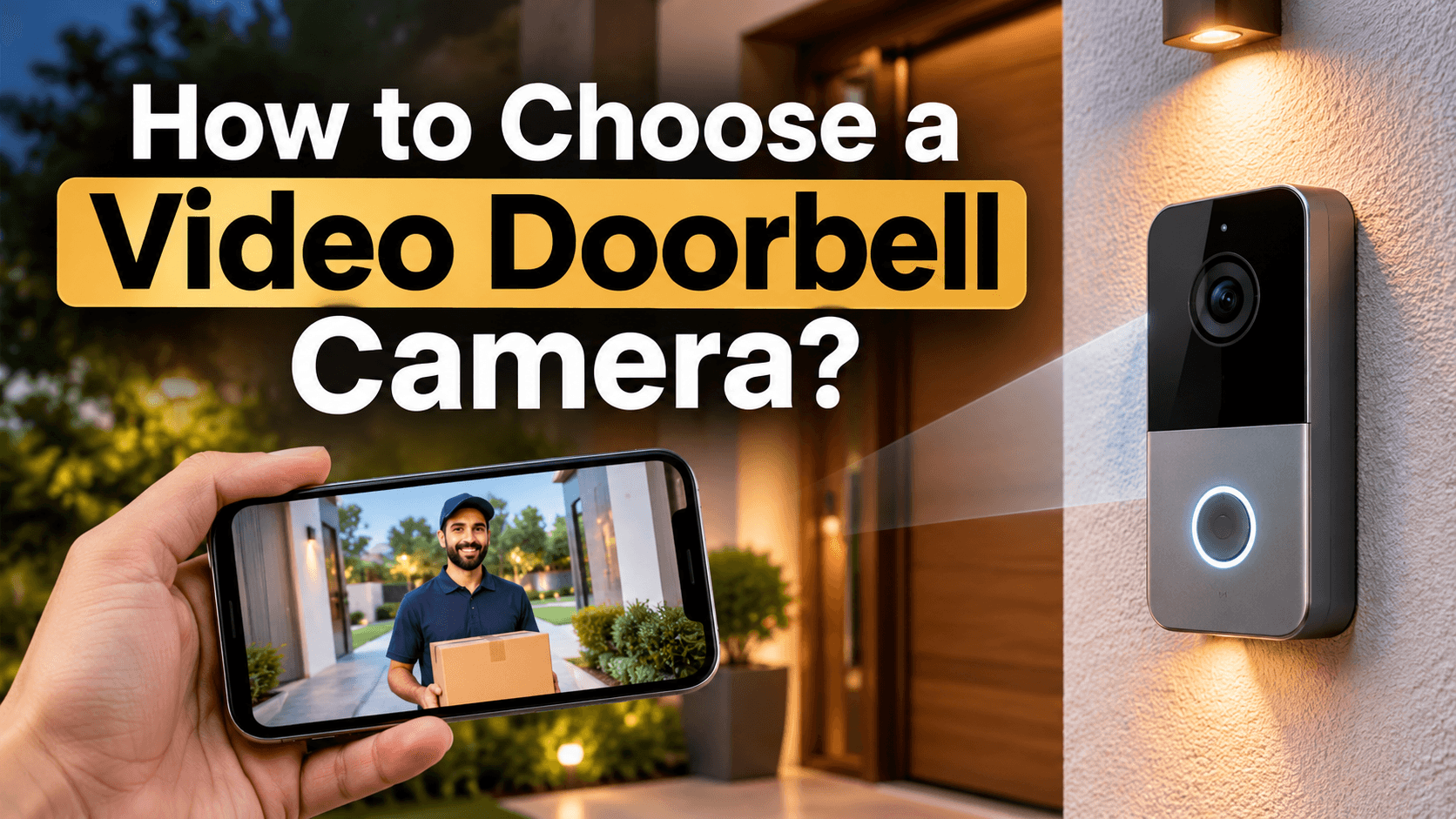
Security cameras: Monitor entrances, parking areas, balconies, and other important spaces.
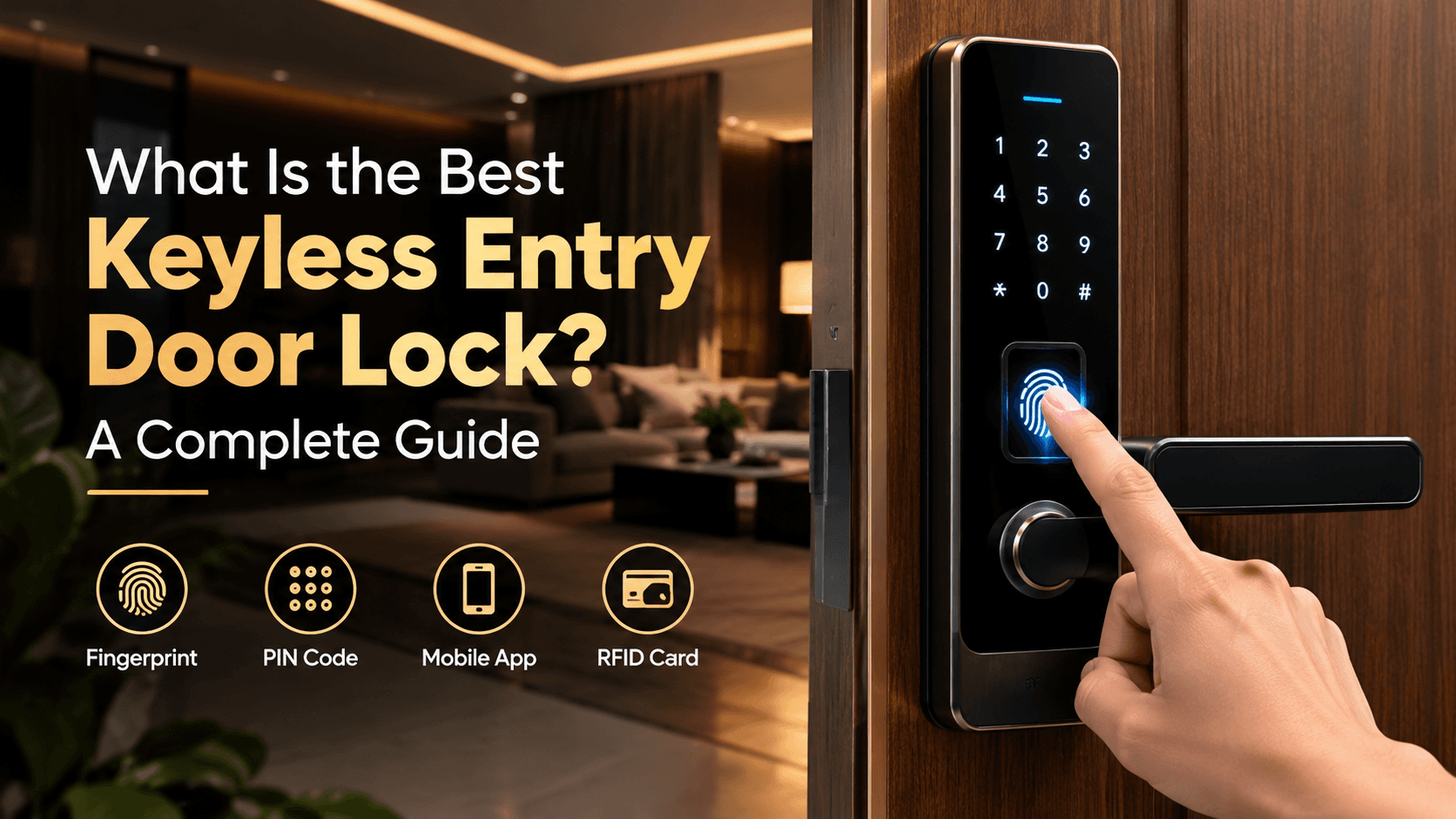
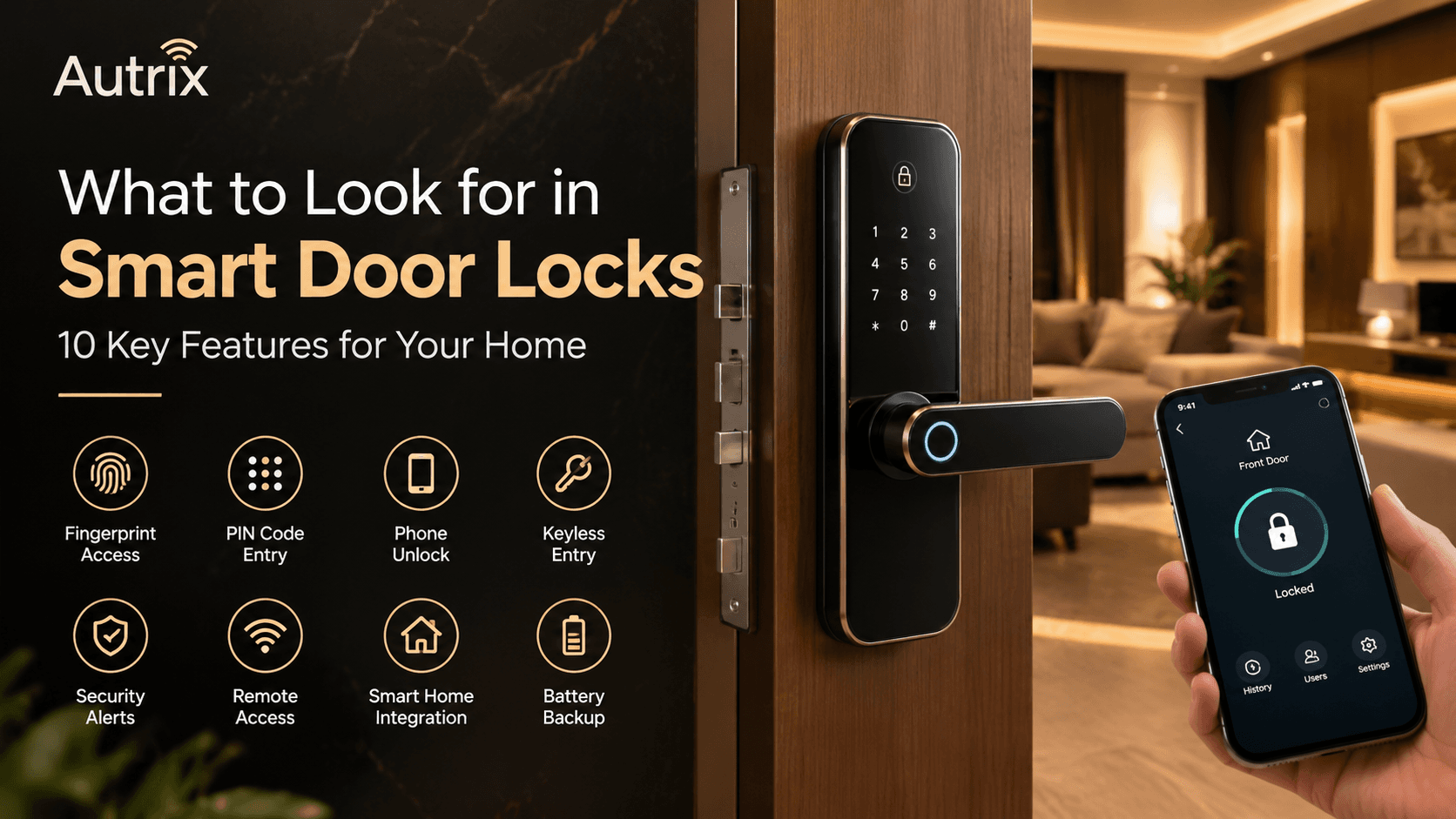
Smart door locks: Help manage door access using a PIN, fingerprint, or smartphone, depending on the model.
Motion sensors: Detect movement and can trigger alerts or compatible lights.
Door and window sensors: Notify you when a monitored entry point opens.
Mobile alerts: Help you stay informed about security activity when you are away.
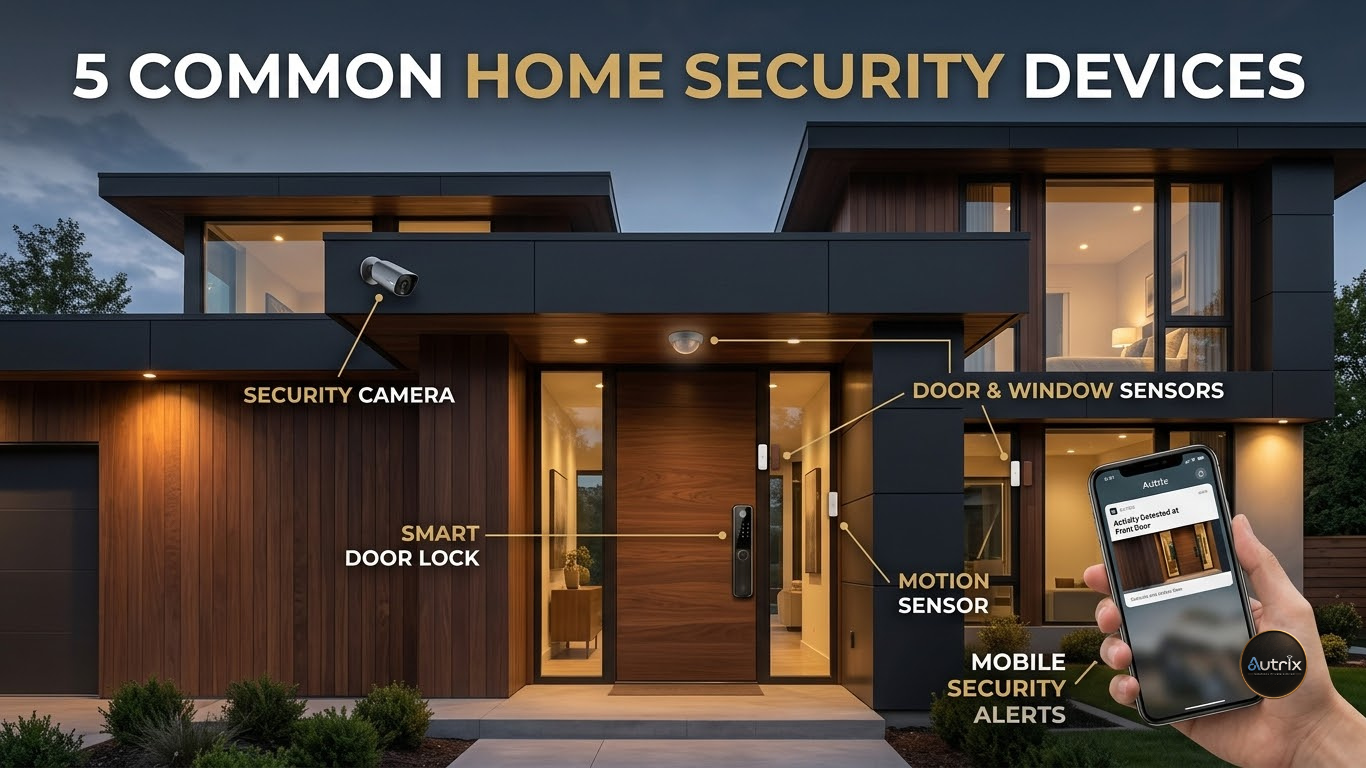
When these devices work together properly, they give you better control over your home's security.
2. How Effective Are Home Security Systems?
Home security systems can help discourage unwanted entry, identify unusual activity, and provide useful information when something happens.
Here are some of their main benefits.
They Can Discourage Unwanted Entry
Visible security cameras, alarms, and smart locks can make a property less attractive to someone looking for an easy opportunity to enter.
Although no system can guarantee complete protection, visible security measures can act as a deterrent.
They Help You Monitor Your Home Remotely
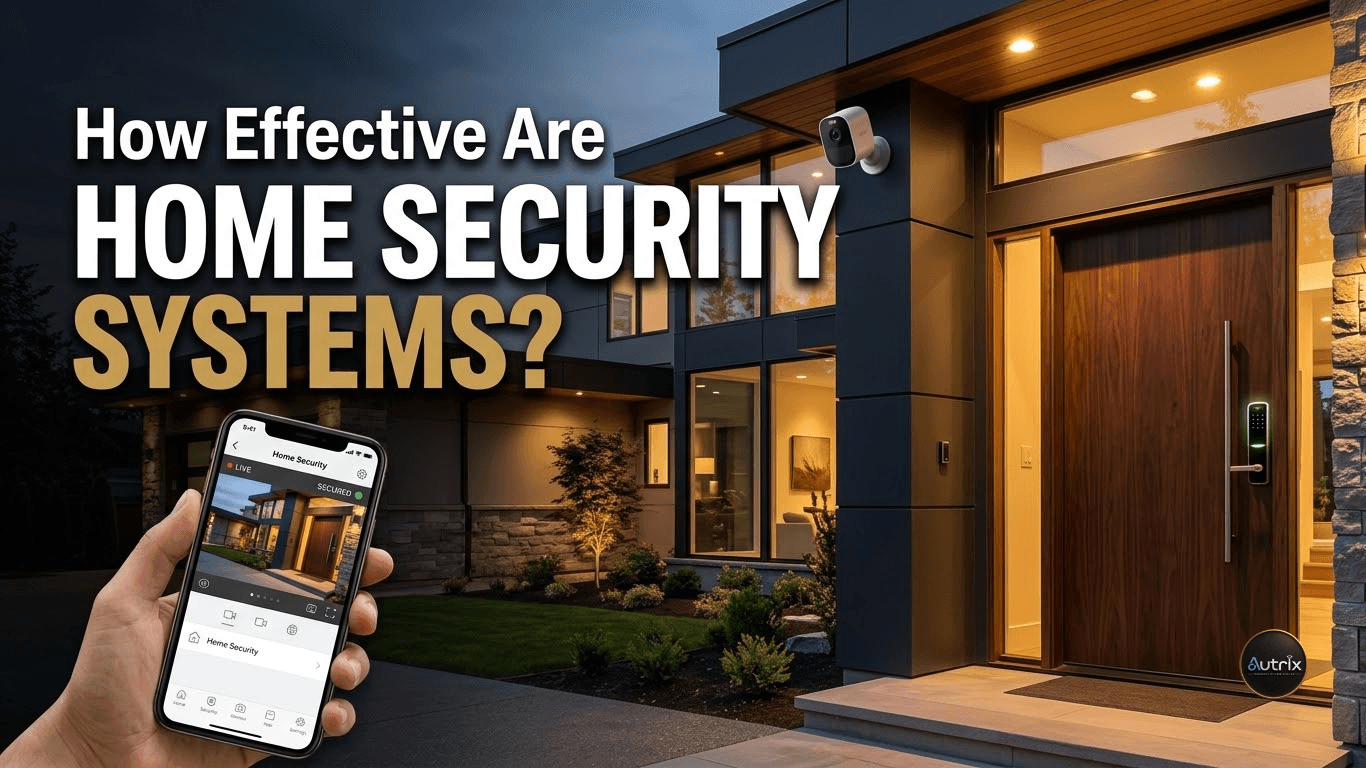
Modern security cameras allow you to check selected areas of your home through a smartphone app.
This is especially useful when you are:
At work or travelling.
Away from home for several days.
Checking your main entrance or parking area.
Keeping an eye on activity around your property.
Remote monitoring gives you a convenient way to check your home without being physically present.
They Send Alerts About Unusual Activity
Motion sensors and door sensors can notify you when movement is detected or a monitored entry point opens.
Instead of checking every door and window manually, you can receive alerts through compatible devices and apps.
They Improve Door Access Control
A smart door lock can provide convenient ways to manage who enters your home.
Depending on the model, you may be able to unlock your door using a fingerprint, PIN, smartphone, or other supported method. Some models also offer temporary access codes for visitors.
3. Which Home Security Devices Are Most Useful?
The right devices depend on your property, daily routine, and security requirements.
Security device | How it helps |
|---|---|
Security cameras | Help monitor selected areas of your property. |
Smart door locks | Provide convenient access management. |
Motion sensors | Detect movement and trigger compatible alerts. |
Door and window sensors | Notify you when monitored entry points open. |
Automated lighting | Turns selected lights on through schedules or sensor-based triggers. |
For example, combining security cameras with lighting automation can help illuminate selected areas when movement is detected.
Better lighting can improve visibility around entrances and make it easier to check activity at night.
4. Can Smart Home Automation Improve Security?
Yes. Home automation can make security devices easier to manage by connecting compatible equipment through a shared control system.
For example, you could create a simple automation routine that:
Turns on selected lights when a motion sensor detects movement.
Sends an alert when a monitored door opens.
Lets you check security cameras through a compatible smartphone app.
Allows you to manage a compatible smart door lock remotely.
These functions depend on device compatibility, system configuration, and internet availability.
You can read our guide to home automation devices to understand how connected devices can make everyday home management easier.
You can also consider automatic curtain automation for convenient remote control of your curtains when you are at home or away.
5. What Are the Limitations of Home Security Systems?
Home security systems provide useful support, but they are not perfect. Understanding their limitations helps you make better decisions.
Power cuts: Some devices may stop working without backup power.
Internet problems: Remote viewing and mobile notifications may be affected if your internet connection fails.
False alerts: Pets, incorrect sensor placement, or other movement may trigger unwanted alerts.
Privacy concerns: Place cameras carefully and avoid recording private areas.
Maintenance: Devices may require software updates, battery replacement, and regular testing.
To improve reliability, choose suitable equipment, use strong passwords, enable two-factor authentication where available, and consider backup power for important devices.
Professional installation can also help ensure that cameras and sensors cover the right areas.
6. How Can You Choose the Right Home Security System?
Start by identifying the areas that need protection, such as the main entrance, windows, parking area, or rear entrance.
Then select devices according to your property and budget.
For an apartment: A smart door lock, an entry sensor, and a suitable security camera may be a practical starting point.
For an independent house: Consider cameras for important entrances, door and window sensors, and motion-activated lighting.
For a large home or villa: Multiple cameras, connected access controls, motion sensors, and automated lighting may provide more complete coverage.
If you want to connect security with other smart home functions, Autrix home automation solutions can help you consider suitable automation options for your home.